
Understanding Overlay Networks - The Basics
Modern connectivity demands go far beyond simple point-to-point connections. Whether you're managing a distributed team, securing cloud infrastructure, or building scalable applications, overlay networks have become essential infrastructure. This article explains what overlay networks are, why they matter, and how modern solutions like NetBird are making this enterprise-grade technology accessible to organizations of all sizes.
What is an Overlay Network?
An overlay network is a virtual network built on top of existing physical network infrastructure (the underlay). To understand this concept, consider the internet as a city's road system. The physical roads, bridges, and infrastructure represent your underlay network—the actual cables, routers, and switches that move data. Building or modifying this physical infrastructure is expensive and time-consuming.
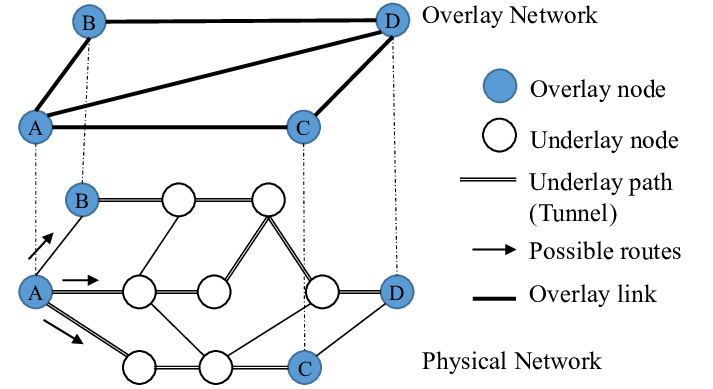
A Distributed Algorithm for Throughput Optimal Routing in Overlay Networks - Scientific Figure on ResearchGate. Available from: https://www.researchgate.net/ [accessed 6 Oct 2025]
Overlay networks function like adding GPS navigation, traffic management systems, and smart routing on top of those existing roads. You gain the benefits of optimized traffic flow without rebuilding physical infrastructure. The overlay network operates as a logical layer that provides additional functionality, security, and flexibility while leveraging the existing physical network below.
How Overlay Networks Work: Encapsulation and Security
The core mechanism enabling overlay networks is encapsulation . This process wraps your original data packets with additional headers containing overlay network information and encryption. Think of it as placing a letter in an envelope, then placing that envelope in a locked, tamper-proof shipping container that only the intended recipient can open.
When data travels through an overlay network:
- The original packet is encapsulated with overlay network metadata
- Encryption is applied to secure the contents
- The packet traverses the physical network infrastructure
- At the destination, the packet is decapsulated and decrypted
- The original data is delivered to the intended recipient
This approach ensures that even if packets are intercepted during transit, the contents remain secure and tamper-proof. The underlying physical network treats these encapsulated packets as ordinary traffic, while the overlay network maintains complete control over routing, security, and delivery.
Real-World Applications
Overlay networks are already fundamental to many services you use daily:
Content Delivery Networks (CDNs): When you stream content from platforms like Netflix, overlay networks ensure your video streams from the geographically closest server, optimizing performance and reducing latency.
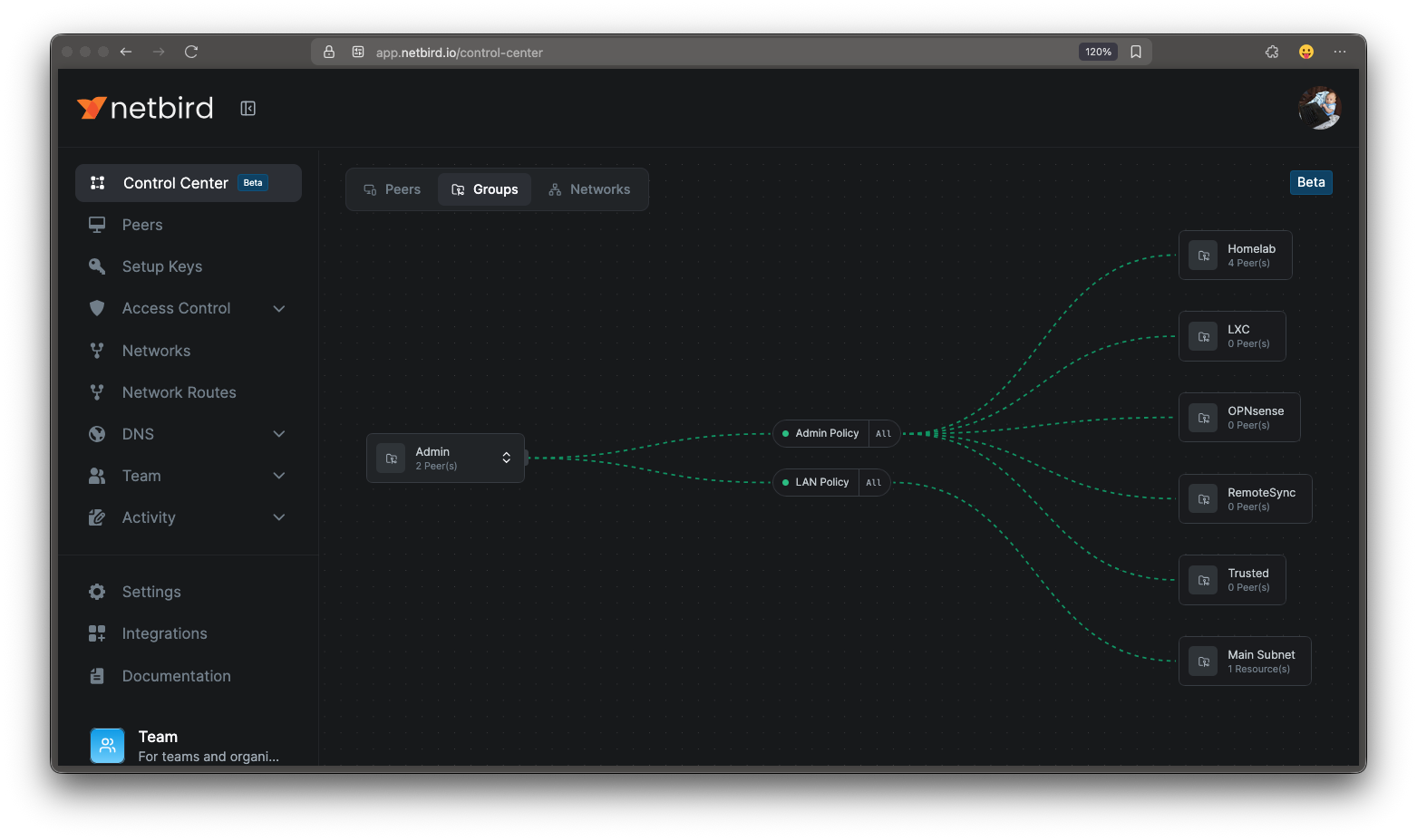
Remote Access Solutions: Zero Trust Network Access (ZTNA) solutions, such as NetBird, create secure overlay tunnels through the public internet, enabling secure remote work without exposing internal resources.
Cloud Infrastructure: Major cloud providers including Amazon Web Services and Microsoft Azure use overlay networks to connect their global data centers, providing seamless, secure connectivity across continents.
Enterprise Networks: Organizations use overlay networks to connect branch offices, remote workers, and cloud resources without expensive dedicated circuits.
Key Benefits of Overlay Networks
Flexibility and Agility
Overlay networks are software-defined, meaning you can reconfigure your entire network topology in minutes. Add new locations, modify routing policies, or implement new security controls without touching physical infrastructure.
Enhanced Security
Data travels through encrypted tunnels that are invisible to the underlying network. This provides defense-in-depth security, protecting against eavesdropping, man-in-the-middle attacks, and other threats.
Cost Efficiency
A single physical network can support multiple virtual overlay networks, eliminating the need for separate physical infrastructure for different purposes or security zones.
Optimized Performance
Intelligent routing algorithms automatically determine the best path for data transmission, adapting to network conditions in real-time to maintain optimal performance.
NetBird: Democratizing Overlay Networks
NetBird represents a new generation of overlay network solutions designed for simplicity without sacrificing capabilities. Unlike traditional VPNs that force all traffic through central servers—creating bottlenecks and single points of failure—NetBird employs a decentralized, peer-to-peer architecture.
Key Differentiators
Direct Peer-to-Peer Connections: NetBird establishes direct connections between devices, eliminating central chokepoints. Each device can communicate directly with authorized peers, creating optimal data paths without unnecessary routing through intermediary servers.
WireGuard Protocol: Built on WireGuard, the modern VPN protocol adopted by major technology companies, NetBird provides state-of-the-art security and performance. WireGuard's lean codebase and efficient cryptography deliver faster speeds and lower overhead compared to legacy VPN protocols.
Zero-Configuration Setup: NetBird automatically handles complex networking tasks including NAT traversal, firewall negotiation, and optimal path selection. What traditionally required hours of configuration happens automatically in seconds.
Universal Connectivity: Whether devices are behind corporate firewalls, on cellular networks, in different continents, or even on an aircraft, NetBird establishes secure connections without manual intervention.
Practical Use Cases
Multi-Site Business Operations
Organizations with distributed offices can establish secure connectivity across locations without expensive MPLS circuits or complex VPN gateways. Deploy the NetBird client on each device, configure access policies, and establish immediate secure connectivity. Employees access company resources as if all locations were in the same physical building.
Secure Remote Development
Developers working from various locations need secure access to development servers, databases, and internal tools. NetBird creates encrypted tunnels directly from developer workstations to infrastructure resources without exposing ports or implementing complex firewall rules. The peer-to-peer architecture ensures low-latency connections for optimal developer experience.
Cloud and Hybrid Infrastructure
Connect on-premises infrastructure to cloud resources, or establish secure connectivity across multiple cloud providers. NetBird's software-defined approach adapts to dynamic cloud environments where IP addresses and infrastructure change frequently.
IoT and Edge Computing
Securely manage distributed IoT devices or edge computing nodes without exposing them to the public internet. NetBird enables secure management and data collection from devices regardless of their location or network environment.
Open Source Foundation
NetBird is built on open source principles, providing transparency and flexibility that proprietary solutions cannot match. Organizations can examine the source code, contribute improvements, and customize the platform for specific requirements.
While NetBird offers a cloud-managed platform with advanced features and simple deployment, self-hosting remains an option for organizations requiring complete infrastructure control. This flexibility allows you to choose the deployment model that best fits your security posture, compliance requirements, and operational preferences.
Getting Started
Overlay networks evolved from solutions designed for large technology companies with significant resources. Modern platforms like NetBird are making this technology accessible to organizations of all sizes, democratizing access to enterprise-grade networking capabilities.
Ready to implement overlay networking for your organization? Explore NetBird's documentation to learn about deployment options, configuration best practices, and advanced features. The platform's intuitive design means you can establish your first secure connection in minutes, not days.
Overlay networks represent the future of connectivity — virtual, secure, and flexible networks running on top of physical infrastructure. With NetBird, this future is available today.